


Fitness Equipment Home & Gym Training Market: Consumer Fitness Trends
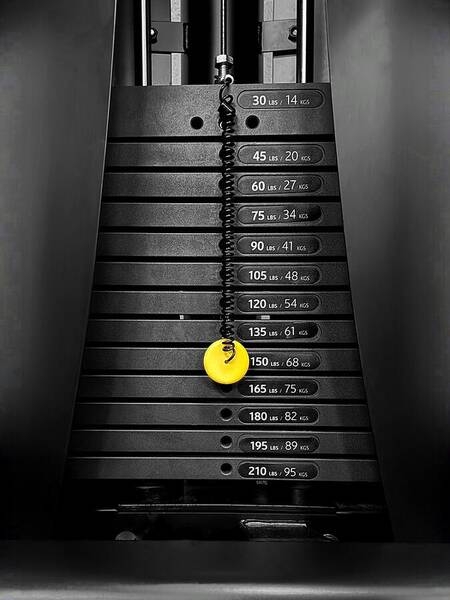
The Fitness Equipment Home & Gym Training Market is influenced by consumer purchasing behavior and growing interest in physical wellness. Individuals choose fitness products based on their exercise goals, available space, budgets, and preferred training environments. Some consumers purchase basic equipment for home workouts, while others invest in specialized machines or join commercial fitness facilities that provide access to professional training equipment.
The increasing demand for gym workout equipment reflects the importance of accessible exercise solutions across residential and commercial environments. Consumers seek equipment that offers dependable performance, comfortable operation, and suitability for their workout requirements. These preferences influence manufacturers, retailers, and fitness facility operators.
Consumer Preferences in Fitness Equipment
Consumers generally evaluate fitness equipment according to their individual requirements. Some prioritize cardiovascular machines, while others focus on strength training or functional exercise.
Product selection may depend on available space, convenience, design, and ease of operation.
Beginners often prefer straightforward equipment that does not require complicated setup. Experienced fitness enthusiasts may look for adjustable systems and specialized machines that support particular workout styles.
Manufacturers need to consider these differences when designing equipment for different consumer segments.
Importance of Product Affordability
Affordability can influence purchasing decisions, particularly among consumers creating home gyms.
Some individuals prefer starting with basic equipment such as resistance bands, dumbbells, and exercise mats. Others may gradually invest in larger machines as their fitness routines develop.
Commercial fitness centers have different purchasing requirements because they need equipment that can support frequent use by multiple members.
Product pricing, durability, warranty coverage, and maintenance costs may all influence purchasing decisions.
Brand Reputation and Product Reliability
Brand reputation can play an important role in the fitness equipment purchasing process.
Consumers may consider product reviews, recommendations, previous experiences, and the availability of customer support before choosing a brand.
Reliable construction and consistent product performance can help build customer confidence.
For larger equipment, buyers may also evaluate installation services, replacement parts, warranty conditions, and maintenance arrangements.
Online Shopping and Equipment Discovery
Online shopping has made fitness equipment easier for consumers to discover and compare.
Digital retail platforms allow buyers to examine product descriptions, features, photographs, and customer feedback. This can help consumers understand whether a product is suitable for their requirements.
Manufacturers and retailers can use digital platforms to communicate product benefits and provide guidance about equipment selection.
However, consumers should check product dimensions, weight capacity, warranty details, and installation requirements before purchasing larger machines.
Home Fitness and Space Considerations
Home fitness consumers often consider the available space before selecting equipment.
People living in apartments may prefer compact products that can be stored after exercise. Consumers with dedicated fitness rooms may have greater flexibility when choosing larger machines.
Foldable treadmills, adjustable dumbbells, resistance bands, and multifunctional equipment can help maximize available space.
Ease of transportation and installation may also influence purchasing decisions.
Commercial Gym Equipment Requirements
Commercial gyms require products that can serve different users and support regular activity.
Gym operators often prioritize durability, equipment variety, safety, maintenance support, and user comfort.
The arrangement of equipment also influences the overall gym experience. Well-organized fitness spaces can make workouts more convenient and accessible.
Fitness facilities may regularly review their equipment selections to maintain member satisfaction and accommodate changing exercise preferences.
Future Consumer Expectations
Consumer expectations are likely to continue evolving as technology and fitness awareness develop.
Some buyers may increasingly value connected equipment and personalized workout features. Others may prioritize simple, durable, and affordable products.
Sustainability, product longevity, convenient purchasing, and dependable after-sales support may also influence future decisions.
Conclusion
The Fitness Equipment Home & Gym Training Market is shaped by changing consumer expectations, affordability, product reliability, online shopping, and different workout preferences. Residential and commercial customers have distinct requirements, creating opportunities for manufacturers to develop specialized products. Companies that prioritize quality, convenience, and customer satisfaction can better respond to the evolving fitness equipment landscape.
Frequently Asked Questions
Q1. What factors should consumers consider before buying fitness equipment?
Consumers should consider their workout goals, available space, equipment quality, safety, affordability, warranty, maintenance, and ease of use.
Q2. Is home fitness equipment suitable for beginners?
Yes. Beginners can start with simple products such as exercise mats, resistance bands, adjustable dumbbells, and other equipment appropriate for their fitness levels.

 Arabic
 French
 Spanish
 Portuguese
 Deutsch
 Turkish
 Dutch
 Italiano
 Russian
 Romaian
 Portuguese (Brazil)
 Greek